
Time Outside For Everyone
Spending time outdoors offers countless benefits for children’s physical, emotional, and social development. As more schools and early years settings embrace outdoor learning, there’s a growing recognition that time outside for everyone should be a priority, regardless of the season.
While traditional playgrounds provide valuable opportunities for active play, introducing natural spaces into your outdoor environment can enrich children’s learning experiences even further. From sensory exploration to imaginative play, nature encourages curiosity, creativity, and a lifelong appreciation of the world around us.
Learning Through Nature
Nature areas create exciting opportunities for children to learn beyond the classroom. Even a small outdoor space filled with flowers, plants, logs, and wildlife can become a living classroom where children develop an understanding of the natural world.
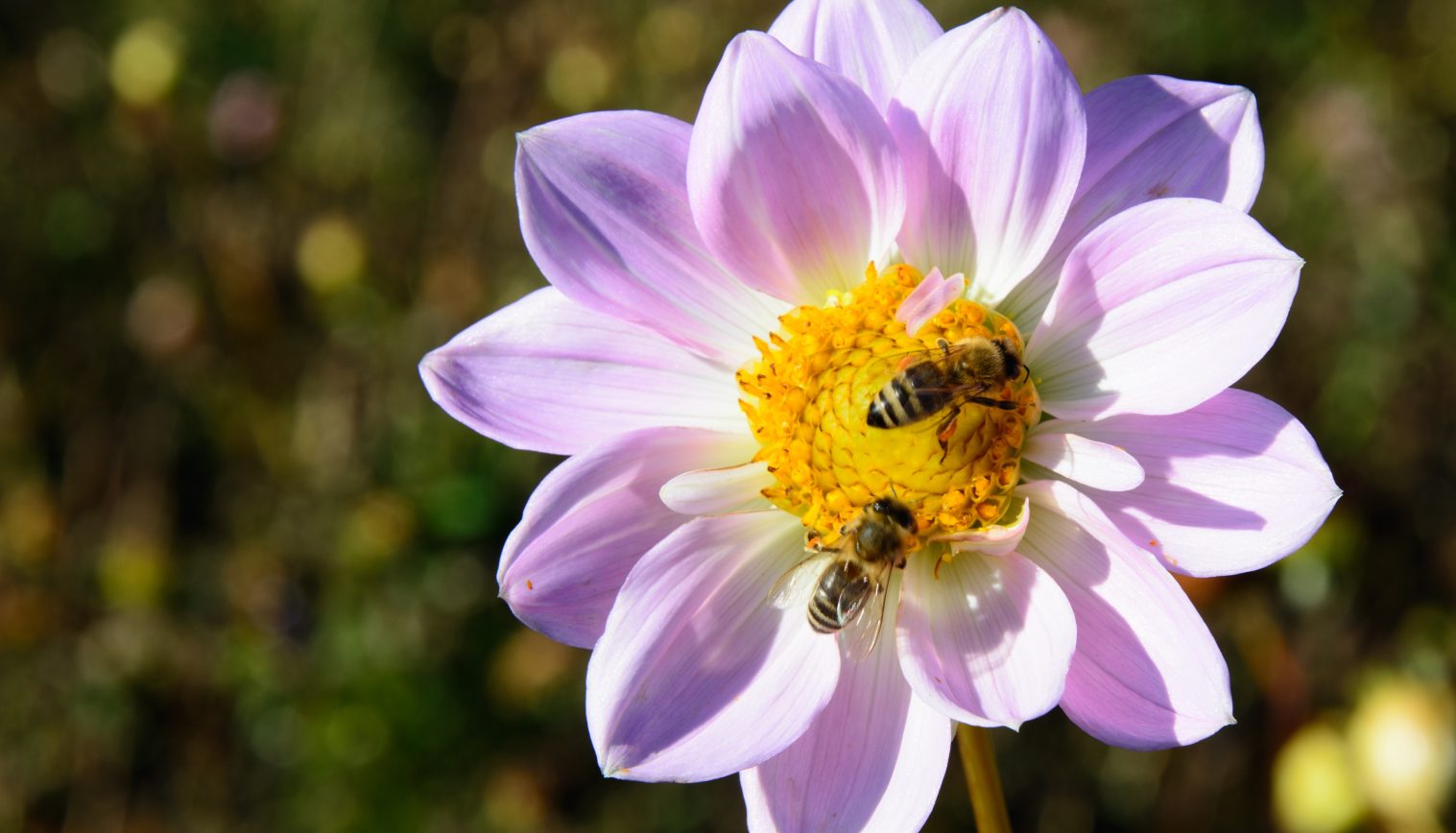
As they explore, children can observe pollinators such as bees and butterflies; learn about plant growth and life cycles; discover mini-beasts; and begin to understand changing seasons and weather patterns. Activities such as bug hunts, planting seeds, or observing birds can help develop scientific thinking while encouraging children to ask questions and investigate their surroundings.
Introducing these experiences from an early age helps nurture curiosity and builds a strong foundation for future learning.
Encouraging Imaginative Play
Natural environments inspire children to use their imagination in ways that manufactured playground equipment sometimes cannot.
A collection of sticks can become a woodland den, stepping stones can transform into a river crossing, and a fallen tree can quickly become a pirate ship or castle wall. These open-ended environments encourage children to create their own adventures, solve problems, and work together through imaginative play.
Unlike structured equipment, nature allows children to decide how they want to play, supporting creativity, communication, and independent thinking.
Building Confidence Outdoors
Outdoor environments also provide opportunities for children to challenge themselves at their own pace.
Whether it’s balancing on a log, climbing a small slope, or exploring a new pathway, these everyday adventures help children build confidence, resilience, and physical coordination. Each new achievement contributes to their growing independence and sense of accomplishment.
Natural play spaces also encourage children to become more aware of their surroundings while developing essential motor skills through active exploration.
Making Time Outside for Everyone
Creating a meaningful outdoor environment doesn’t require a large amount of space. Even small gardens, courtyards, or unused corners of a playground can be transformed into valuable nature areas that support learning and wellbeing.
Adding planting beds, wildlife-friendly flowers, sensory planting, logs, bug hotels, or sheltered outdoor learning areas can encourage children to spend more time outdoors throughout the year. Installing a canopy or covered outdoor classroom can also help ensure that children continue to benefit from outdoor activities during wet weather or hot summer days, making time outside for everyone a reality whatever the season.
Conclusion
Providing time outside for everyone helps children develop confidence, creativity, resilience, and a deeper understanding of the natural world. By creating outdoor environments that combine active play with opportunities to explore nature, schools and early years settings can support children’s learning, wellbeing, and development all year round.
Whether you have a large field or a small outdoor area, every natural space has the potential to inspire curiosity and create memorable learning experiences that children will carry with them for years to come.
Categories
- 20 Years of Able Canopies
- Canopies for Architects & Contractors
- Canopies for Healthcare
- Canopies for Restaurants, Bars and Hotels
- Canopies for Retail & Commercial
- Canopies for Schools
- Canopies for Sports & Leisure
- Canopy Maintenance
- Case Studies
- Cool Links & Facts
- Cycle Parking Solutions
- Dates for Your Diary
- Eco-Friendly Holiday Crafts
- Employee Spotlight
- Environmental Tips
- Funding and Fundraising
- How to... Get the Most out of Your Canopy
- Insights: Able Canopies News
- Latest News
- Latest Stories
- Lockdown Outdoor Learning & Play Ideas
- MD News
- Newsletters - Academies
- Newsletters - Architects & Contractors
- Newsletters - Schools & EYFS
- Outdoor Learning
- Outdoor Play
- Planning Your Cycle Parking
- Product Focus
- Solar Carports
- Spring Fundraisers 2017
- Summer Shade
- The Good Canopy Guide
- Uncategorised
- Wall Mounted Canopies