
Why External Works Shouldn’t Be Left Until the End of a Project
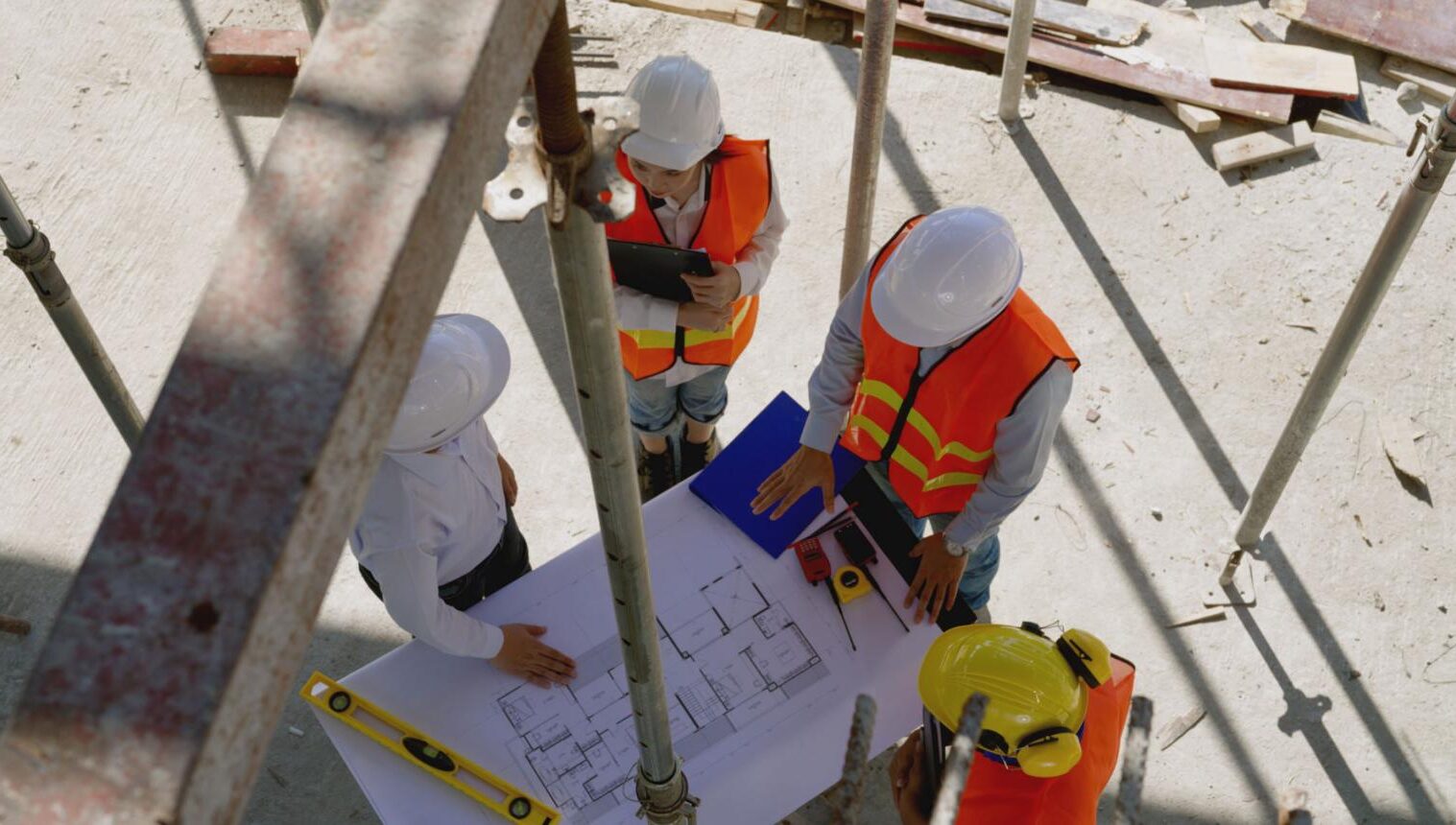
External works are often viewed as one of the final stages of a construction project. However, leaving outdoor infrastructure decisions until late in the programme can create avoidable challenges that impact budgets, timelines, and overall project outcomes.
One of the most common issues is the lack of coordination between external works and the wider building design. Drainage routes, service connections, access requirements, and structural considerations are often easier to accommodate when they are incorporated into the design process from the beginning. When external requirements are identified later, modifications may be required, leading to additional costs and potential delays.
Late-stage design changes can also create procurement challenges. Specialist materials, bespoke components, and certain external structures may have lead times that differ from those of the main building works. Without adequate planning, projects may find themselves waiting for critical elements to arrive, potentially delaying completion.
Programme management can become increasingly complex when multiple contractors and trades are required to work in the same areas towards the end of a project. External works frequently coincide with landscaping, paving, drainage, lighting, and finishing works, making site coordination more challenging. Early planning can help avoid bottlenecks and improve efficiency during the final stages of construction.
From a budget perspective, incorporating external infrastructure into the initial project scope often provides greater cost certainty. It allows project teams to make informed decisions about priorities, identify potential challenges early, and reduce the likelihood of unexpected expenditure later in the programme.
Perhaps most importantly, external environments are often one of the first aspects of a completed project that users experience. Entrances, walkways, waiting areas, and communal outdoor spaces contribute significantly to the overall perception of a development. Giving these elements appropriate consideration from the outset can help ensure they complement the wider project vision and deliver the functionality users expect.
By treating external works as an integral part of the design and construction process rather than a final addition, project teams can improve project efficiency, reduce risk, and create more successful developments that perform effectively from day one.

Able Canopies Ltd. design, manufacture and install commercial grade canopies, shade sails, awnings and shelters across the UK. We specialise in servicing the education, leisure, healthcare and retail sectors and have extensive experience working with architects and contracting firms on small and large projects.
For more information or to find out how to submit a tender please contact us
Follow us on our social media accounts for the latest funding advice, new products & latest news:
Twitter | Facebook | LinkedIn | Instagram
Categories
- 20 Years of Able Canopies
- Canopies for Architects & Contractors
- Canopies for Healthcare
- Canopies for Restaurants, Bars and Hotels
- Canopies for Retail & Commercial
- Canopies for Schools
- Canopies for Sports & Leisure
- Canopy Maintenance
- Case Studies
- Cool Links & Facts
- Cycle Parking Solutions
- Dates for Your Diary
- Eco-Friendly Holiday Crafts
- Employee Spotlight
- Environmental Tips
- Funding and Fundraising
- How to... Get the Most out of Your Canopy
- Insights: Able Canopies News
- Latest News
- Latest Stories
- Lockdown Outdoor Learning & Play Ideas
- MD News
- Newsletters - Academies
- Newsletters - Architects & Contractors
- Newsletters - Schools & EYFS
- Outdoor Learning
- Outdoor Play
- Planning Your Cycle Parking
- Product Focus
- Solar Carports
- Spring Fundraisers 2017
- Summer Shade
- The Good Canopy Guide
- Uncategorised
- Wall Mounted Canopies