Designing Buildings That Stay Cooler: How External Canopies Help Reduce Solar Gain

As temperatures continue to rise during the summer months, designing buildings that remain comfortable without relying heavily on mechanical cooling has become an increasingly important consideration for architects, contractors and building owners. Excessive solar gain can lead to overheating, uncomfortable internal environments and increased energy consumption as air conditioning systems work harder to maintain suitable temperatures.
One of the most effective passive design strategies is the use of external canopy systems. Installed above windows, entrances and glazed façades, canopies intercept direct sunlight before it reaches the building envelope. Unlike internal blinds or curtains, which only block sunlight after heat has already entered the building, external canopies help reduce the amount of solar energy absorbed by the structure itself. This contributes to cooler internal temperatures while still allowing natural daylight to enter the building.
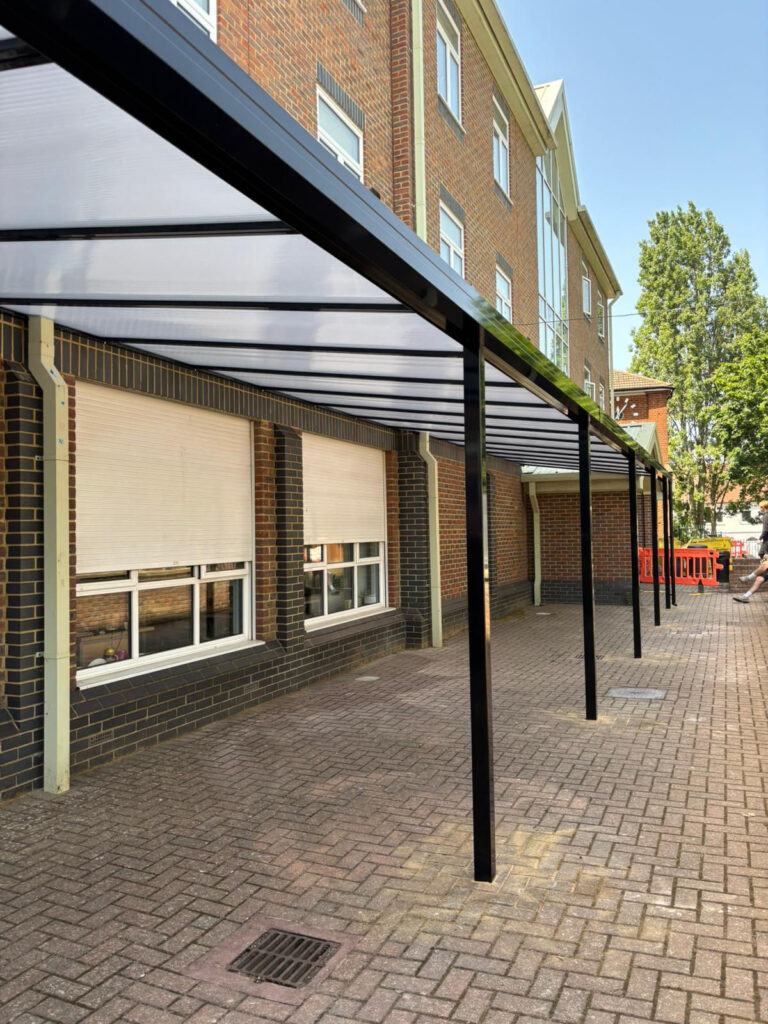
The benefits are particularly noticeable within schools, healthcare environments and commercial offices where large areas of glazing are common. Classrooms positioned beneath school canopies often remain significantly cooler during periods of prolonged sunshine, creating more comfortable learning environments for pupils and improving concentration throughout the day. Healthcare facilities benefit from more comfortable waiting areas, while commercial premises can reduce the strain placed on cooling systems during warmer weather.
Beyond improving comfort, reducing solar gain can also contribute to lower operational costs. Buildings that rely less on air conditioning generally consume less electricity, helping organisations reduce both energy bills and carbon emissions. As sustainability targets continue to influence project specifications, passive shading solutions are becoming an increasingly attractive option for new-build developments and refurbishment projects alike.
When designing a canopy system, careful consideration should be given to its projection, orientation and intended use. South and west-facing elevations often experience the greatest levels of solar exposure, making them ideal candidates for permanent shading solutions. The canopy should provide sufficient coverage to protect glazing and external circulation routes while maintaining appropriate daylight levels inside the building.
Material selection is equally important. Durable aluminium frameworks combined with high-performance polycarbonate roofing systems provide long-lasting weather protection with minimal maintenance requirements. Modern polycarbonate roof panels also allow excellent levels of natural light transmission while blocking over 98% of the sun’s harmful UV rays, creating bright yet comfortable covered spaces.
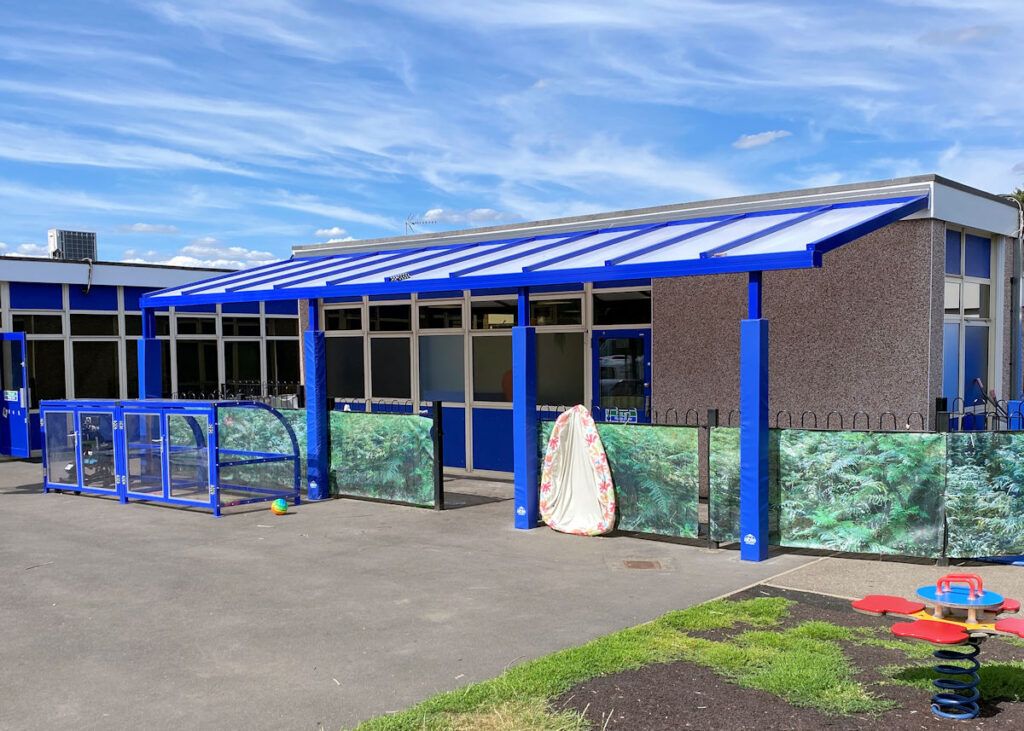
Another advantage of permanent canopy systems is their year-round functionality. While they provide valuable shade throughout the summer, they also continue to protect entrances, walkways and outdoor spaces from rain during the autumn and winter months, ensuring the investment delivers benefits in every season.
As building performance and sustainability become increasingly important considerations across commercial, education and public sector projects, external canopies offer far more than simple weather protection. They form part of a wider passive design strategy that improves occupant comfort, supports energy efficiency and enhances the long-term usability of outdoor spaces. For architects and contractors looking to create buildings that perform well throughout the year, incorporating well-designed canopy systems from the outset can deliver lasting value for both clients and end users.

Able Canopies Ltd. design, manufacture and install commercial grade canopies, shade sails, awnings and shelters across the UK. We specialise in servicing the education, leisure, healthcare and retail sectors and have extensive experience working with architects and contracting firms on small and large projects.
For more information or to find out how to submit a tender please contact us
Follow us on our social media accounts for the latest funding advice, new products & latest news:
Twitter | Facebook | LinkedIn | Instagram
Categories
- 20 Years of Able Canopies
- Canopies for Architects & Contractors
- Canopies for Healthcare
- Canopies for Restaurants, Bars and Hotels
- Canopies for Retail & Commercial
- Canopies for Schools
- Canopies for Sports & Leisure
- Canopy Maintenance
- Case Studies
- Cool Links & Facts
- Cycle Parking Solutions
- Dates for Your Diary
- Eco-Friendly Holiday Crafts
- Employee Spotlight
- Environmental Tips
- Funding and Fundraising
- How to... Get the Most out of Your Canopy
- Insights: Able Canopies News
- Latest News
- Latest Stories
- Lockdown Outdoor Learning & Play Ideas
- MD News
- Newsletters - Academies
- Newsletters - Architects & Contractors
- Newsletters - Schools & EYFS
- Outdoor Learning
- Outdoor Play
- Planning Your Cycle Parking
- Product Focus
- Solar Carports
- Spring Fundraisers 2017
- Summer Shade
- The Good Canopy Guide
- Uncategorised
- Wall Mounted Canopies