Where Does the Rain Go? The Canopy Detail That Deserves Earlier Attention
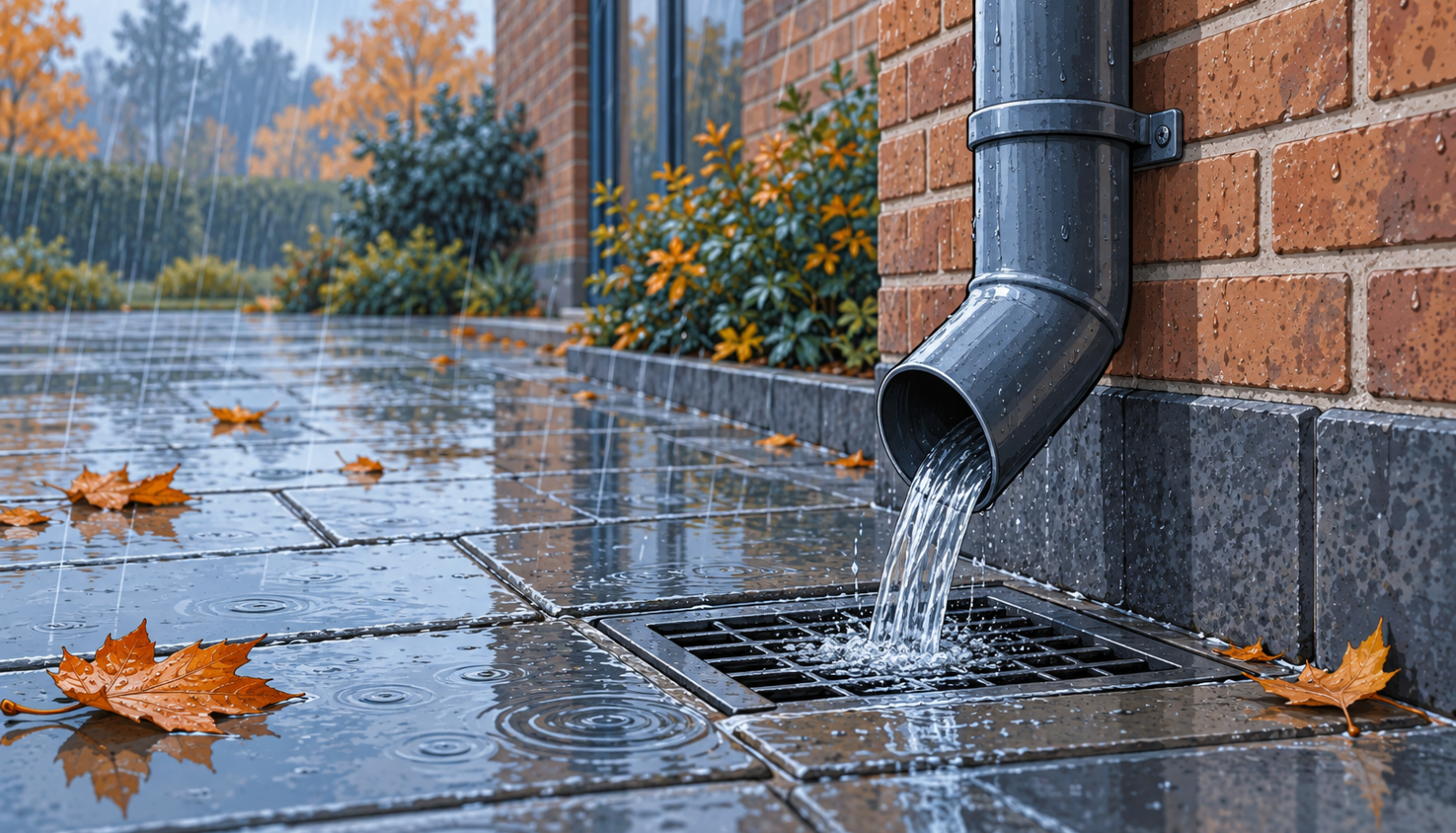
Wintery showers can reveal a weakness in an otherwise well-designed outdoor space. A canopy keeps the area beneath it dry, but the water still needs somewhere to go.
For architects and contractors, drainage deserves attention alongside the canopy’s dimensions, materials and appearance. The roof is only one part of the solution. How collected rainwater reaches a suitable discharge point can influence the success of the whole installation.
Follow the Water Beyond the Roof
A canopy introduces a defined collection area for rainfall. During design development, the team should establish how water will move from the roof through the guttering and downpipes and what happens next.
A canopy can become less practical if its discharge creates puddles beside an entrance, across a pedestrian route or around an outdoor seating area. The drainage arrangement therefore needs to be considered in relation to the surrounding site, rather than ending at the bottom of a downpipe.
Coordinate with the External Works
Canopy drainage often overlaps with work undertaken by other trades. Ground levels, paving falls, drainage connections and the position of foundations may all need coordination.
Discussing these interfaces before external finishes are completed gives the project team more opportunity to resolve them neatly. It also helps establish who is responsible for each element, reducing the likelihood of an unresolved connection appearing towards handover.
Keep the Architectural Intent Intact
Drainage affects appearance as well as function. Downpipe positions should be reviewed alongside doors, windows, columns and pedestrian routes.
At Burnley General Hospital, Able Canopies® developed a concealed downpipe arrangement within the canopy posts to connect with underground drainage, responding to the architect’s requirements for a clean entrance design. This was a project-specific solution, demonstrating the value of discussing drainage during design development.
Design for Maintenance Too
The completed arrangement should allow for inspection and cleaning. Autumn leaves make this particularly relevant, especially where a canopy sits close to mature trees.
For your next canopy project, ask a straightforward question at the design stage: where does the rain go after it leaves the roof? Resolving the answer early can help deliver a better-looking, more practical installation.

Able Canopies Ltd. design, manufacture and install commercial grade canopies, shade sails, awnings and shelters across the UK. We specialise in servicing the education, leisure, healthcare and retail sectors and have extensive experience working with architects and contracting firms on small and large projects.
For more information or to find out how to submit a tender please contact us
Follow us on our social media accounts for the latest funding advice, new products & latest news:
Twitter | Facebook | LinkedIn | Instagram
Categories
- 20 Years of Able Canopies
- Canopies for Architects & Contractors
- Canopies for Healthcare
- Canopies for Restaurants, Bars and Hotels
- Canopies for Retail & Commercial
- Canopies for Schools
- Canopies for Sports & Leisure
- Canopy Maintenance
- Case Studies
- Cool Links & Facts
- Cycle Parking Solutions
- Dates for Your Diary
- Eco-Friendly Holiday Crafts
- Employee Spotlight
- Environmental Tips
- Funding and Fundraising
- How to... Get the Most out of Your Canopy
- Insights: Able Canopies News
- Latest News
- Latest Stories
- Lockdown Outdoor Learning & Play Ideas
- MD News
- Newsletters - Academies
- Newsletters - Architects & Contractors
- Newsletters - Schools & EYFS
- Outdoor Learning
- Outdoor Play
- Planning Your Cycle Parking
- Product Focus
- Solar Carports
- Spring Fundraisers 2017
- Summer Shade
- The Good Canopy Guide
- Uncategorised
- Wall Mounted Canopies