
A New School Year: Resources to Help Schools Bring Nature into Learning
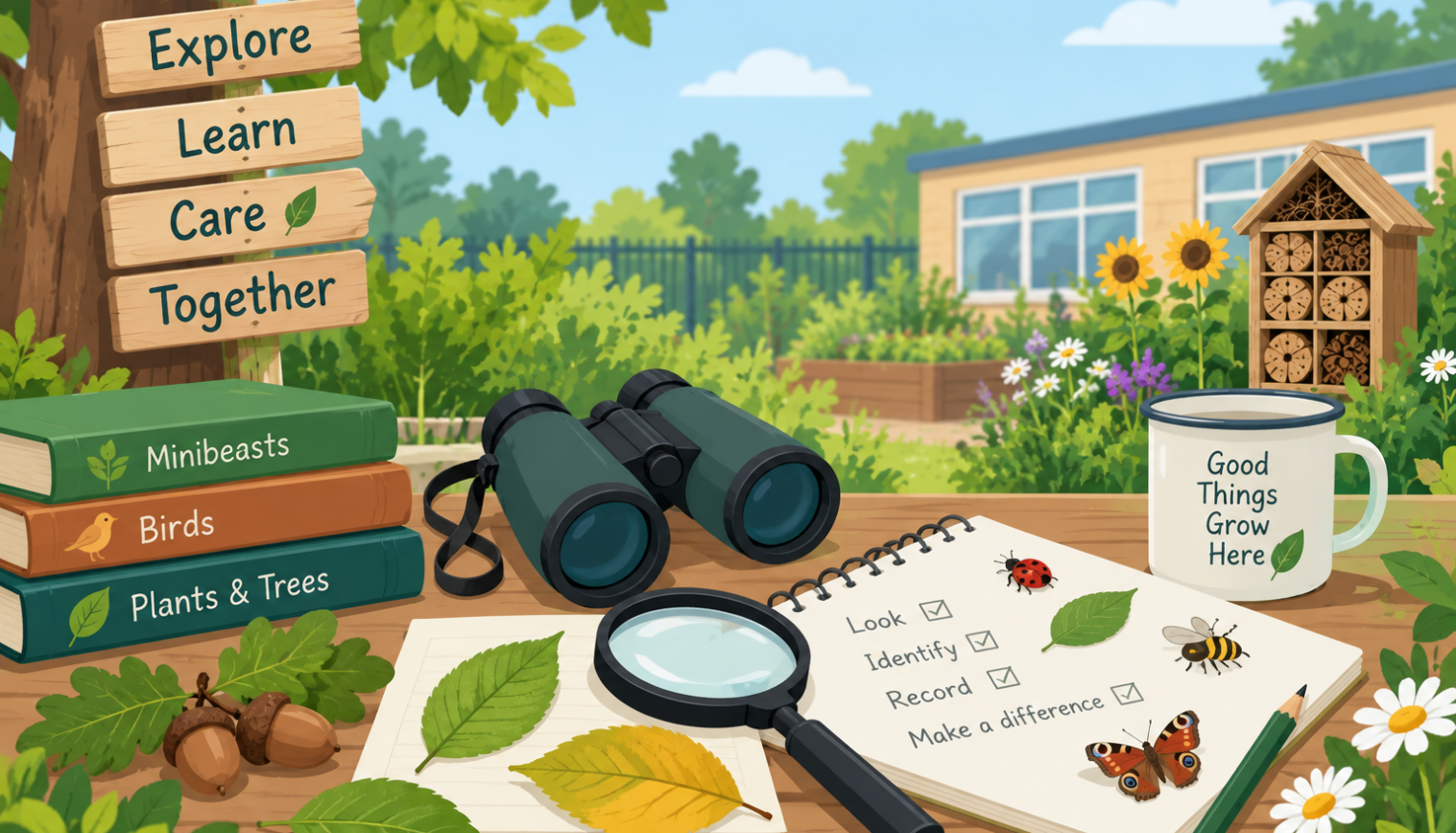
The start of a new academic year is a great opportunity for schools to look again at their outdoor environments and consider how they can be used to support learning, wellbeing and biodiversity.
The National Education Nature Park has shared a range of resources, training opportunities and activities for the new term, designed to help education settings across England engage pupils with nature and make positive changes to their school grounds.
Getting Started with the National Education Nature Park
For schools that are new to the programme – or those looking to get involved again this term – the National Education Nature Park provides guidance to help make getting started easier.
This includes a Getting Started Guide, alongside free training focused on managing school grounds for biodiversity. The training brings together practical advice and inspiration to help education settings understand how their outdoor spaces can provide better habitats for plants and wildlife.
Schools can also access guidance on finding funding, with information about relevant charitable, corporate and government funding opportunities that could potentially support environmental projects.
The Nature Park is also running a webinar covering its digital tools, helping educators understand how they and their pupils can use the programme to explore, record and improve their outdoor environment.
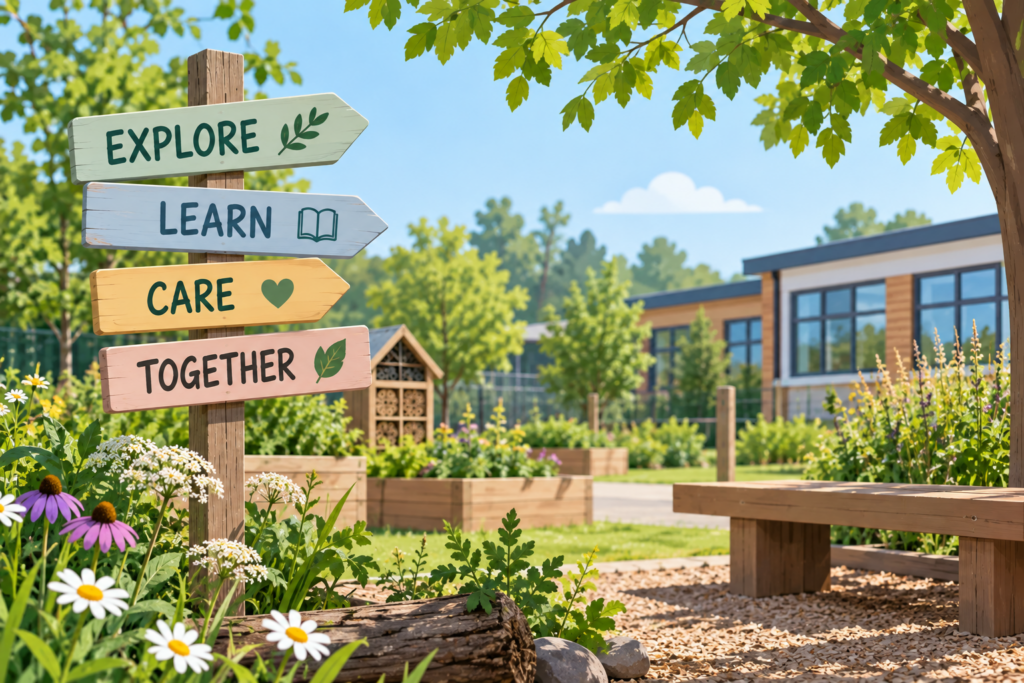
Connecting Nature and Wellbeing
Outdoor spaces don’t only provide opportunities for curriculum-based learning. Spending time engaging with the natural environment can also form part of wider activities designed to support pupil wellbeing.
With Youth Mental Health Day taking place on 18th September, the National Education Nature Park has highlighted its nature connection resources for schools. These range from short activities to complete lesson plans and have been developed for different ages and key stages.
They provide schools with another way to encourage pupils to spend time outside, observe their surroundings and develop a stronger connection with nature.
Get Pupils Looking for Wildlife
September also brings plenty of opportunities for practical outdoor learning.
One of the more unusual activities highlighted by the Nature Park is Fat Spider Fortnight. Schools are encouraged to explore their grounds and record the spiders they discover using iNaturalist as part of the Nature Park’s survey activities.
Activities such as this can turn even relatively small school grounds into valuable learning environments. Pupils can practise observation and identification skills while contributing information that can help build a wider picture of wildlife populations.
The Nature Park has also highlighted the experience of St Bart’s School, where pupils have recorded thousands of wildlife observations within their school grounds, including the discovery of a rare moth. It is a great example of how regularly exploring a familiar outdoor environment can lead to new discoveries while developing pupils’ environmental and digital skills.
10,000 Education Settings and Growing
The National Education Nature Park has also reached an impressive milestone. According to its September update, more than 15,000 educators have registered with the programme, representing over 10,000 education settings across England.
From urban schools to rural education settings, the programme demonstrates how school grounds of many different sizes and types can contribute to nature and climate action.
Importantly, creating opportunities to connect with nature doesn’t necessarily require a huge amount of land. Gardens, planted areas, trees, wildlife habitats and other features can all provide opportunities for pupils to observe seasonal changes and learn about the natural world around them.
Make More of Your School Grounds This Academic Year
Whether your school already has an established nature area or is only beginning to explore outdoor learning, the new academic year provides an ideal opportunity to consider what more could be achieved outside the classroom.
And, with the UK’s unpredictable weather, creating suitable outdoor environments can help schools make these opportunities available more regularly. Covered outdoor areas like a school canopy can provide a useful base alongside nature and Forest School spaces, giving pupils somewhere sheltered to discuss discoveries, complete activities or continue learning when the weather changes.

Able Canopies Ltd. design, manufacture and install canopies and shade structures at schools, nurseries and educational settings to enable year-round Free Flow Outdoor Play and Outdoor Learning.
For more information please contact us
Follow us on our social media accounts for the latest funding advice, new products & latest news:
Twitter | Facebook | LinkedIn | Instagram
Categories
- 20 Years of Able Canopies
- Canopies for Architects & Contractors
- Canopies for Healthcare
- Canopies for Restaurants, Bars and Hotels
- Canopies for Retail & Commercial
- Canopies for Schools
- Canopies for Sports & Leisure
- Canopy Maintenance
- Case Studies
- Cool Links & Facts
- Cycle Parking Solutions
- Dates for Your Diary
- Eco-Friendly Holiday Crafts
- Employee Spotlight
- Environmental Tips
- Funding and Fundraising
- How to... Get the Most out of Your Canopy
- Insights: Able Canopies News
- Latest News
- Latest Stories
- Lockdown Outdoor Learning & Play Ideas
- MD News
- Newsletters - Academies
- Newsletters - Architects & Contractors
- Newsletters - Schools & EYFS
- Outdoor Learning
- Outdoor Play
- Planning Your Cycle Parking
- Product Focus
- Solar Carports
- Spring Fundraisers 2017
- Summer Shade
- The Good Canopy Guide
- Uncategorised
- Wall Mounted Canopies