
Outdoor Lesson Ideas – KS2 Geography
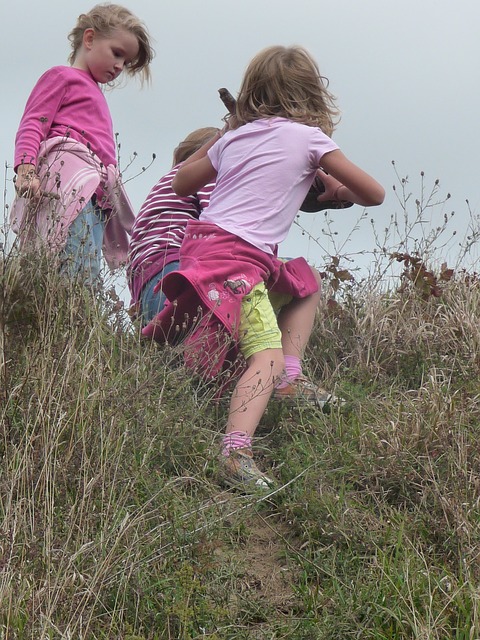
Children are naturally inquisitive. During their primary school years, that curiosity is at its peak, making it the perfect time to nurture a deeper understanding of the world around them. When planning outdoor lesson ideas for KS2 geography, embracing that curiosity can transform learning into a memorable and meaningful experience.
Geography is not confined to textbooks or classroom walls. The outdoor environment provides a living, breathing resource that supports hands-on discovery, critical thinking, and real-world understanding. By stepping outside, pupils can explore physical and human geography concepts in an engaging and practical way.
Why Outdoor Learning Supports KS2 Geography
Outdoor education encourages pupils to observe, question, and investigate. From analysing local landscapes to identifying natural features, children can see geographical concepts in action. Whether exploring seasonal changes, mapping the school grounds, or studying habitats, outdoor learning makes abstract topics tangible.
Importantly, learning outside also supports wider development. Pupils build resilience, communication skills, and teamwork, all while strengthening their connection to their local environment.
For schools looking to make outdoor learning accessible throughout the year, covered outdoor areas and school canopies provide shelter from the elements, ensuring lessons can continue whatever the weather. A well-designed canopy creates a versatile outdoor classroom space that extends teaching capacity beyond traditional indoor settings.
Engaging Outdoor Lesson Ideas – KS2 Geography
Below are practical and curriculum-aligned outdoor lesson ideas for for KS2 geography that make the most of your school grounds:
-
Local Area Exploration & Mapping
Encourage pupils to explore the immediate environment around the school. They can:
-
Create simple maps of the school grounds.
-
Identify natural and man-made features.
-
Use compasses to understand direction.
-
Measure distances and compare land uses.
This introduces mapping skills and spatial awareness in an interactive way.
-
Habitat & Ecosystem Investigation
School grounds are often home to a variety of plants, insects and wildlife. Pupils can:
-
Record different species they observe.
-
Compare microhabitats (e.g., grassy areas vs paved surfaces).
-
Discuss food chains and environmental impact.
Provide magnifying glasses and observation sheets to encourage detailed recording.
-
Seasonal Change Study
Track how the outdoor environment changes across the year:
-
Observe differences in plant life.
-
Record temperature and weather patterns.
-
Compare daylight hours.
-
Photograph the same area monthly to monitor change.
This ongoing project builds scientific observation skills alongside geographical understanding.
-
Plant Identification & Safety Awareness
Use the opportunity to teach children how to identify common plants and understand environmental safety. While exploring, pupils can learn which plants are safe to handle and which should be avoided, reinforcing responsible behaviour outdoors.
-
Natural Materials & Cross-Curricular Links
Collect fallen leaves, twigs and natural materials (where appropriate) to support classroom art or design projects. Linking geography with creative subjects helps reinforce learning and encourages reflection on what they have discovered.
Reflection & Discussion
After outdoor sessions, hold a classroom discussion where pupils share:
-
What surprised them?
-
What new information did they discover?
-
Which features they found most interesting.
-
Questions they would like to investigate further.
This reflection stage strengthens understanding and builds confidence in communication.
Making Outdoor Learning Sustainable
Weather can sometimes limit outdoor teaching. Investing in a permanent outdoor learning space, such as a covered canopy area, enables schools to deliver outdoor lesson ideas for KS2 geography throughout the year. A sheltered outdoor classroom protects pupils and staff from rain and strong sun while maintaining the benefits of fresh air and open space.
For schools seeking inspiration and practical guidance, Able Canopies has created a helpful resource designed specifically for educational settings.
Download Your Free Guide
To support your planning, download our free How to… Get the Most out of Your Canopy Guide. The guide includes practical advice, example lesson plans and printable worksheets to help you maximise your outdoor learning space.
Encouraging curiosity, supporting curriculum objectives and creating inspiring environments all contribute to a more engaging educational experience. By incorporating structured outdoor lesson ideas for KS2 geography into your teaching, you can help pupils develop both knowledge and a lasting appreciation for the world around them.
If you would like further guidance on creating a dedicated outdoor classroom area, our team at Able Canopies would be pleased to assist.
Able Canopies Ltd. design, manufacture and install canopies and shade structures at schools, nurseries and educational settings to enable year-round Free Flow Outdoor Play and Outdoor Learning.
For more information please contact us
Follow us on our social media accounts for the latest funding advice, new products & latest news:
Twitter | Facebook | LinkedIn | Instagram
Categories
- 20 Years of Able Canopies
- Canopies for Architects & Contractors
- Canopies for Healthcare
- Canopies for Restaurants, Bars and Hotels
- Canopies for Retail & Commercial
- Canopies for Schools
- Canopies for Sports & Leisure
- Canopy Maintenance
- Case Studies
- Cool Links & Facts
- Cycle Parking Solutions
- Dates for Your Diary
- Eco-Friendly Holiday Crafts
- Employee Spotlight
- Environmental Tips
- Funding and Fundraising
- How to... Get the Most out of Your Canopy
- Insights: Able Canopies News
- Latest News
- Latest Stories
- Lockdown Outdoor Learning & Play Ideas
- MD News
- Newsletters - Academies
- Newsletters - Architects & Contractors
- Newsletters - Schools & EYFS
- Outdoor Learning
- Outdoor Play
- Planning Your Cycle Parking
- Product Focus
- Solar Carports
- Spring Fundraisers 2017
- Summer Shade
- The Good Canopy Guide
- Wall Mounted Canopies