
How the Education Nature Park Works – A Step-by-Step Approach to Greener School Grounds
Across the UK, schools are increasingly exploring ways to connect pupils with nature while improving their outdoor environments. One initiative helping to support this movement is the National Education Nature Park, a programme designed to help schools, nurseries, and colleges transform their outdoor spaces for both people and wildlife. The programme encourages learners to explore their surroundings, understand biodiversity, and take meaningful action to improve their school grounds. By participating, pupils develop environmental awareness and practical skills while contributing to wider scientific research into nature recovery.
By taking part in the Nature Park, young people will lead the way, following a five-step cycle that can be built upon year on year. This structured approach helps schools gradually enhance their outdoor environments while ensuring pupils remain at the centre of the learning process.
The Five-Step Nature Park Cycle
The programme follows a clear five-step framework that helps pupils investigate their environment, develop ideas, and implement positive change.
- Getting to Know Your Space
The journey begins with pupils exploring their school grounds to understand the environment around them. Learners observe existing habitats, record wildlife, and analyse how people and nature currently use the space. This stage encourages scientific investigation, fieldwork, and data collection, helping pupils develop skills in ecology and environmental observation.
- Identifying Opportunities
Once pupils understand their surroundings, they begin to consider what improvements could be made. By analysing collected data and discussing ideas collaboratively, young people start to recognise opportunities to enhance biodiversity, well-being, and the overall experience of their outdoor areas.
- Making Decisions
At this stage, pupils work together to develop a clear plan. They discuss possible improvements, prioritise actions and decide how they can realistically make changes within their school environment. This step promotes teamwork, problem-solving, and long-term planning.
- Making Change Happen
The fourth step focuses on putting plans into action. Schools might plant pollinator-friendly flowers, introduce wildlife habitats, or transform unused areas into greener spaces. These activities help pupils learn practical environmental skills while making a tangible difference to their surroundings.
- Recording Change
Finally, pupils monitor and document the improvements they have made. This may involve recording wildlife sightings, tracking biodiversity changes, or sharing their achievements with the wider community. The cycle then continues as schools build upon these improvements in future years.
Supporting Outdoor Learning Environment
Initiatives such as the Education Nature Park highlight the importance of well-designed outdoor environments within schools. When pupils have access to safe and accessible outdoor spaces, they can explore nature, take part in environmental projects, and engage with hands-on learning opportunities.
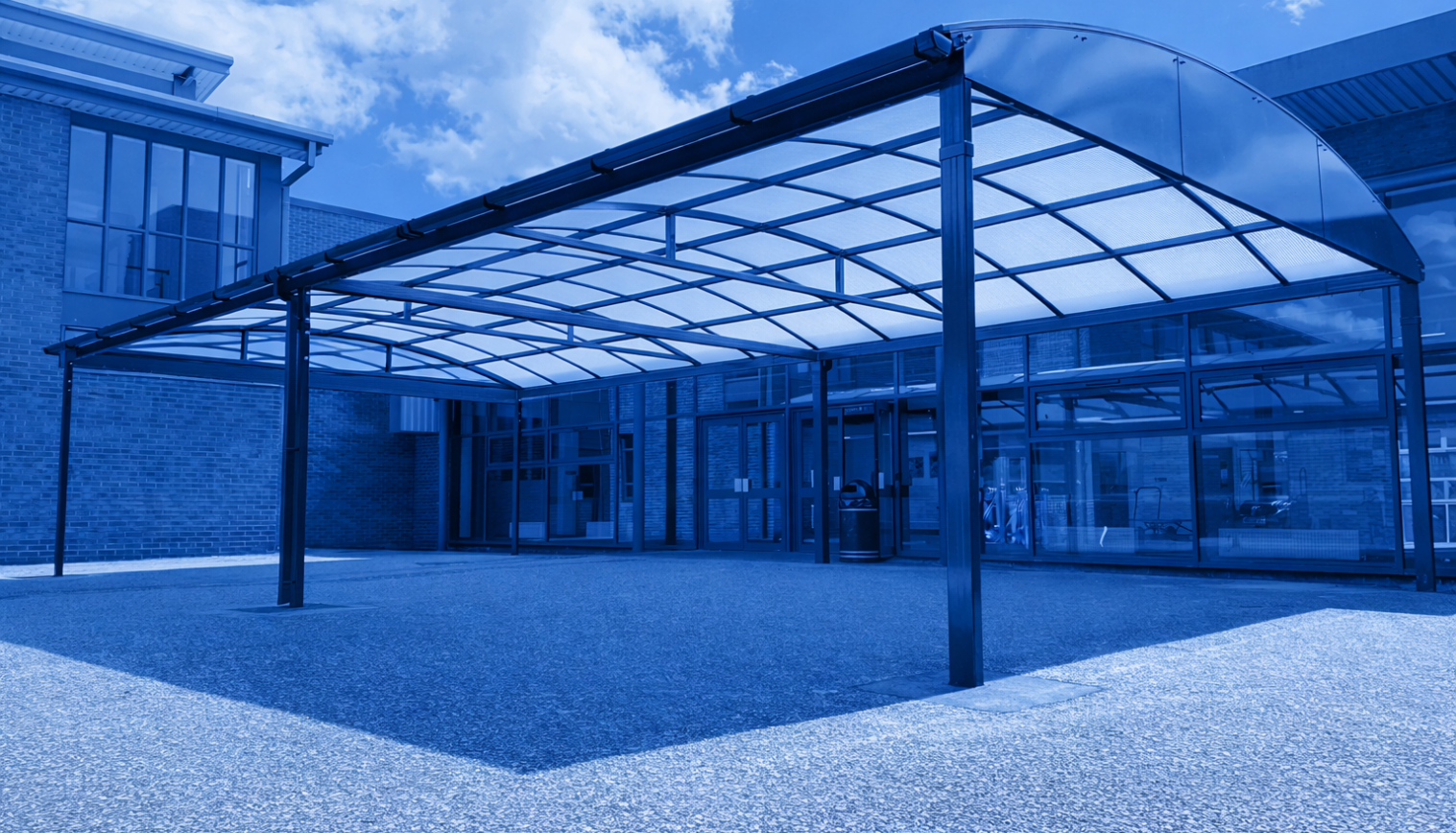
Practical features such as school canopies can play an important role in supporting these activities. Covered outdoor areas allow pupils and teachers to use outdoor spaces throughout the year, regardless of weather conditions. Whether used for environmental observation, outdoor lessons, or collaborative projects, sheltered spaces make it easier for schools to integrate nature-based learning into everyday teaching.
Encouraging Long-Term Environmental Awareness
The National Education Nature Park demonstrates how schools can combine education, sustainability, and outdoor learning. By empowering pupils to explore their environment and make meaningful improvements, the programme helps build environmental awareness while creating greener school grounds.
Because the programme follows a continuous cycle, schools can revisit and expand their projects each year, ensuring that new groups of pupils continue to learn from and contribute to their environment. Through small actions taken collectively across thousands of schools, young people are helping to create lasting positive change for both their communities and the natural world.
School canopies support initiatives such as the Education Nature Park by making outdoor spaces usable in all weather conditions. They provide sheltered areas where pupils can explore nature, take part in environmental projects and carry out outdoor learning activities throughout the year, helping schools maximise the value of their grounds.

Able Canopies Ltd. design, manufacture and install canopies and shade structures at schools, nurseries and educational settings to enable year-round Free Flow Outdoor Play and Outdoor Learning.
For more information please contact us
Follow us on our social media accounts for the latest funding advice, new products & latest news:
Twitter | Facebook | LinkedIn | Instagram
Categories
- 20 Years of Able Canopies
- Canopies for Architects & Contractors
- Canopies for Healthcare
- Canopies for Restaurants, Bars and Hotels
- Canopies for Retail & Commercial
- Canopies for Schools
- Canopies for Sports & Leisure
- Canopy Maintenance
- Case Studies
- Cool Links & Facts
- Cycle Parking Solutions
- Dates for Your Diary
- Eco-Friendly Holiday Crafts
- Employee Spotlight
- Environmental Tips
- Funding and Fundraising
- How to... Get the Most out of Your Canopy
- Insights: Able Canopies News
- Latest News
- Latest Stories
- Lockdown Outdoor Learning & Play Ideas
- MD News
- Newsletters - Academies
- Newsletters - Architects & Contractors
- Newsletters - Schools & EYFS
- Outdoor Learning
- Outdoor Play
- Planning Your Cycle Parking
- Product Focus
- Solar Carports
- Spring Fundraisers 2017
- Summer Shade
- The Good Canopy Guide
- Uncategorised
- Wall Mounted Canopies