Key Considerations When Specifying Freestanding Canopies for Public Sector Projects
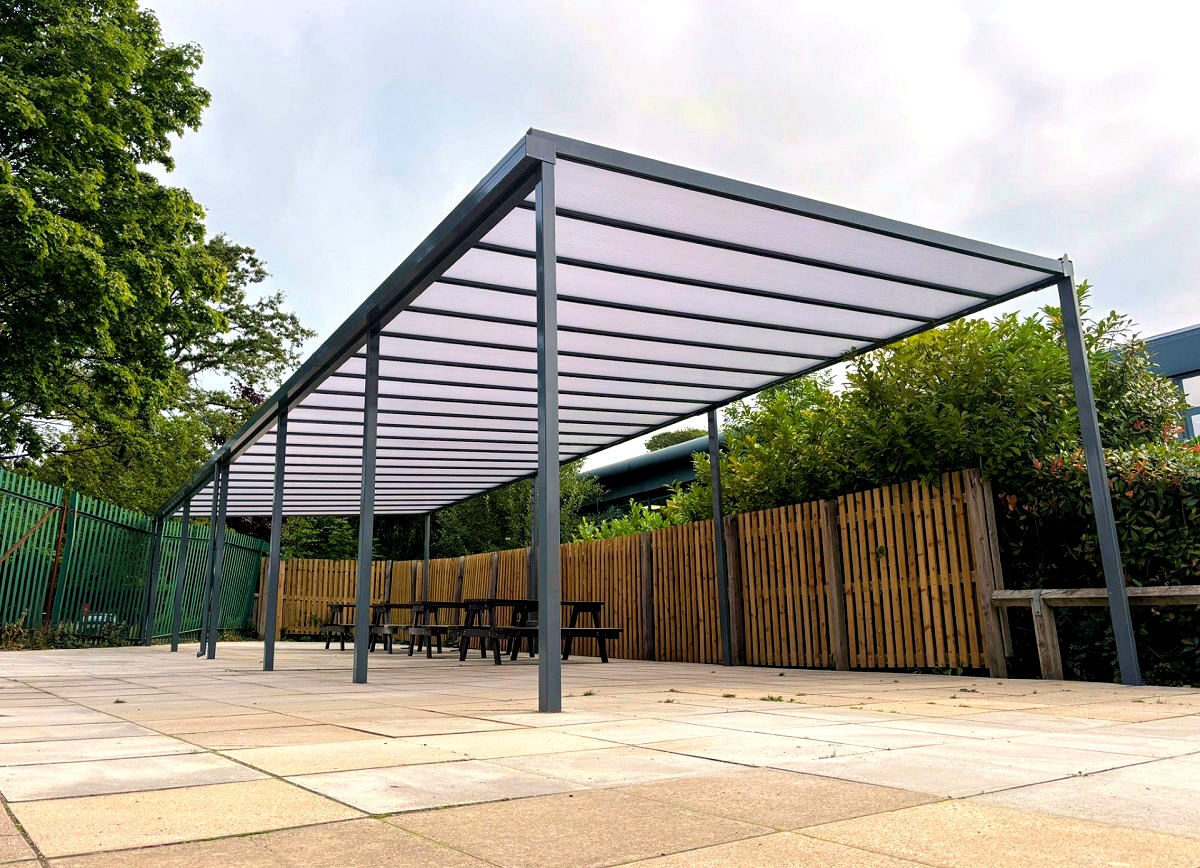
Public sector developments often require outdoor spaces that remain functional throughout the year. Schools, healthcare facilities, and community environments all benefit from sheltered areas that allow people to move between buildings or spend time outdoors comfortably. Freestanding canopies are frequently specified for these projects because they provide reliable shelter while offering greater flexibility in site planning.
However, selecting the right canopy structure involves several important considerations. Ensuring the canopy is designed appropriately for its location, usage, and structural requirements is essential for achieving long-term performance and safety.
Structural Design and Environmental Conditions
One of the most important aspects of specifying freestanding canopies is ensuring the structure can withstand local environmental conditions. Because the canopy is not attached to a building, it must be engineered to support itself safely.
Factors such as wind exposure, snow loading, and site conditions all influence the structural design. Professional canopy manufacturers will typically carry out detailed calculations to ensure the structure complies with safety regulations and performs reliably in the long term.
Groundworks and Foundation Requirements
Freestanding canopy structures rely on strong foundations to provide stability. The size and depth of these foundations will depend on the design of the canopy, as well as the ground conditions at the installation site.
Early consideration of groundwork requirements is important during the planning phase of a project. By addressing these requirements early, contractors and project managers can avoid delays and ensure the installation process runs efficiently.
Effective Drainage and Water Management
Managing rainwater effectively is another key factor when installing freestanding canopies, particularly in public spaces where safety is essential. Rainwater must be directed away from the canopy structure and surrounding areas to prevent pooling water or potential slip hazards.
Well-designed canopy systems often include integrated guttering and drainage solutions that help control water flow and maintain a safe environment beneath the structure.
Choosing Durable Materials
Public sector projects typically require materials that offer durability and minimal maintenance over time. Aluminium frames and high-quality roofing materials are often chosen for freestanding canopies because they provide strong structural performance while resisting corrosion and weather damage.
Selecting durable materials helps ensure the canopy remains functional for many years, even in environments with high levels of daily use.
Meeting Safety and Compliance Requirements
All public sector construction projects must meet strict regulatory standards. When specifying freestanding canopies, it is important to ensure the design complies with relevant structural, accessibility, and safety regulations.
Working with experienced canopy specialists helps ensure these requirements are addressed during the design stage, reducing the risk of compliance issues during installation or later use.
Delivering Reliable Outdoor Shelter for Public Spaces
Freestanding canopies offer a practical way to create sheltered outdoor environments across a wide range of public sector settings. When properly designed and specified, they provide long-lasting protection from the elements while enhancing the usability of outdoor spaces.
By carefully considering structural performance, foundations, drainage, materials, and regulatory compliance, architects, contractors, and councils can ensure freestanding canopies deliver reliable shelter solutions that support public spaces for years to come.

Able Canopies Ltd. design, manufacture and install commercial grade canopies, shade sails, awnings and shelters across the UK. We specialise in servicing the education, leisure, healthcare and retail sectors and have extensive experience working with architects and contracting firms on small and large projects.
For more information or to find out how to submit a tender please contact us
Follow us on our social media accounts for the latest funding advice, new products & latest news:
Twitter | Facebook | LinkedIn | Instagram
Categories
- 20 Years of Able Canopies
- Canopies for Architects & Contractors
- Canopies for Healthcare
- Canopies for Restaurants, Bars and Hotels
- Canopies for Retail & Commercial
- Canopies for Schools
- Canopies for Sports & Leisure
- Canopy Maintenance
- Case Studies
- Cool Links & Facts
- Cycle Parking Solutions
- Dates for Your Diary
- Eco-Friendly Holiday Crafts
- Employee Spotlight
- Environmental Tips
- Funding and Fundraising
- How to... Get the Most out of Your Canopy
- Insights: Able Canopies News
- Latest News
- Latest Stories
- Lockdown Outdoor Learning & Play Ideas
- MD News
- Newsletters - Academies
- Newsletters - Architects & Contractors
- Newsletters - Schools & EYFS
- Outdoor Learning
- Outdoor Play
- Planning Your Cycle Parking
- Product Focus
- Solar Carports
- Spring Fundraisers 2017
- Summer Shade
- The Good Canopy Guide
- Wall Mounted Canopies