Three Ideas For Natural Items For Next Term
Using natural items in your early years or school setting is not only enjoyable for children but also highly beneficial for their development. Natural materials encourage creativity, support sensory exploration, and help children better understand the world around them. When incorporated into everyday activities, these resources can play a valuable role in supporting learning, self-expression, and well-being.
Below are three practical and engaging ideas for using natural items in your setting next term.
-
Natural Art Activities
Natural art involves creating artwork using items found outdoors, such as leaves, stones, twigs, or bark. These activities allow children to explore creativity while developing fine motor skills and imaginative thinking.
Working with natural textures also supports sensory learning, helping children understand concepts such as rough and smooth surfaces, weight, and shape. Activities such as leaf collages, stone painting, or building small structures from twigs encourage problem-solving and experimentation while allowing children to express themselves freely.
-
Loose Parts and Early Math
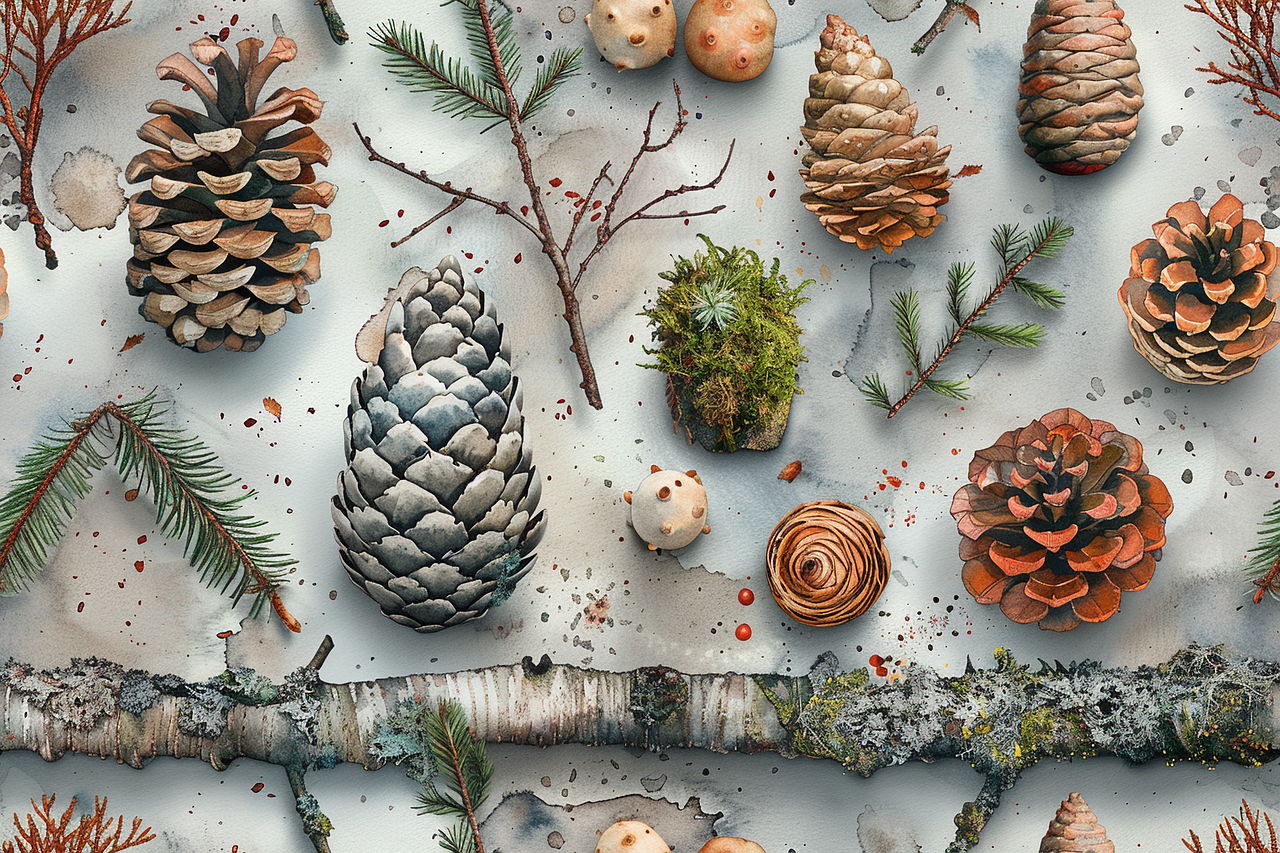
Loose parts are open-ended materials that children can move, arrange, and use in different ways. Natural loose parts might include pebbles, pine cones, conkers, shells, or sticks. These items are ideal for combining play-based learning with early math skills.
Simple activities such as counting stones, sorting items by size or colour, or creating patterns can help reinforce number recognition and basic mathematical concepts. Loose parts can also be incorporated into creative play, supporting both cognitive development and imagination.
-
Natural Treasures for Sensory Exploration
Collecting natural treasures during outdoor walks can be a valuable learning opportunity in itself. Items such as feathers, smooth stones, seed pods, or leaves can be used for exploration, storytelling, or sensory play.
Natural materials are particularly effective for younger children, who often learn through touch before visual recognition. Handling a variety of natural objects helps develop sensory awareness and supports early language development as children describe what they feel and see.
Final Thoughts
While the current term has started, planning ahead for the next school term is always beneficial. Using natural items within your setting can stimulate learning, encourage emotional expression, and provide enjoyable, hands-on experiences for children.
By collecting and preparing natural resources in advance, you can ensure you are well equipped to offer engaging and meaningful activities when the new term begins.

Able Canopies Ltd. design, manufacture and install canopies and shade structures at schools, nurseries and educational settings to enable year-round Free Flow Outdoor Play and Outdoor Learning.
For more information please contact us
Follow us on our social media accounts for the latest funding advice, new products & latest news:
Twitter | Facebook | LinkedIn | Instagram
Categories
- 20 Years of Able Canopies
- Canopies for Architects & Contractors
- Canopies for Healthcare
- Canopies for Restaurants, Bars and Hotels
- Canopies for Retail & Commercial
- Canopies for Schools
- Canopies for Sports & Leisure
- Canopy Maintenance
- Case Studies
- Cool Links & Facts
- Cycle Parking Solutions
- Dates for Your Diary
- Eco-Friendly Holiday Crafts
- Employee Spotlight
- Environmental Tips
- Funding and Fundraising
- How to... Get the Most out of Your Canopy
- Insights: Able Canopies News
- Latest News
- Latest Stories
- Lockdown Outdoor Learning & Play Ideas
- MD News
- Newsletters - Academies
- Newsletters - Architects & Contractors
- Newsletters - Schools & EYFS
- Outdoor Learning
- Outdoor Play
- Planning Your Cycle Parking
- Product Focus
- Solar Carports
- Spring Fundraisers 2017
- Summer Shade
- The Good Canopy Guide
- Uncategorised
- Wall Mounted Canopies