
Learning Outside the Classroom – Primary School Ideas
Outdoor learning is a cornerstone of early years education, yet its presence often diminishes as children transition into primary school. Despite the wealth of benefits associated with outdoor learning, including enhanced physical health, improved mental well-being, and increased engagement. Many primary schools struggle to integrate it effectively into their curricula. This decline is concerning, especially given the growing body of research highlighting the positive impact of outdoor experiences on children’s development .
Incorporating outdoor learning into primary education doesn’t require vast resources or extensive natural landscapes. Simple, everyday activities conducted in schoolyards or local parks can significantly enrich the learning experience. Subjects like geography, mathematics, science, and the arts can be brought to life through hands-on outdoor activities, fostering curiosity and a deeper connection to the material. Moreover, outdoor learning supports the development of essential life skills such as problem-solving, resilience, and teamwork.
To facilitate outdoor learning year-round, schools can consider installing canopies or shelters, providing protection from the elements and creating versatile spaces for instruction. These structures enable educators to extend the classroom beyond its traditional walls, offering students the opportunity to learn in diverse and stimulating environments regardless of weather conditions. By embracing outdoor learning, primary schools can cultivate more engaged, healthy, and well-rounded students, prepared to navigate both academic challenges and the broader world around them.
Here are some examples of what lessons can be taught outside, giving the child all the benefits of being outdoors whilst learning:
Geography
One lesson that transitions well from the classroom to the outdoors is geography. The school grounds offer a microenvironment where pupils can explore and map their surroundings, helping them better understand physical spaces and their features. Activities such as mapmaking or guided walks using compasses can make learning interactive and memorable.
Mathematics
The outdoors presents an excellent opportunity to explore shapes, symmetry, and measurements. Pupils can draw shapes with chalk on the playground or measure distances between objects. Concepts like percentages and fractions can be taught using playground elements, like how many benches, bins, or trees make up the total environment?
Art & Performance Arts
Art flourishes outside. Children can create murals, sketch natural scenery, or build sculptures from natural materials. The outdoor stage is also perfect for drama and musical performances inspired by nature. Using recycled or found objects, children can craft instruments or props, blending creativity with sustainability.
English
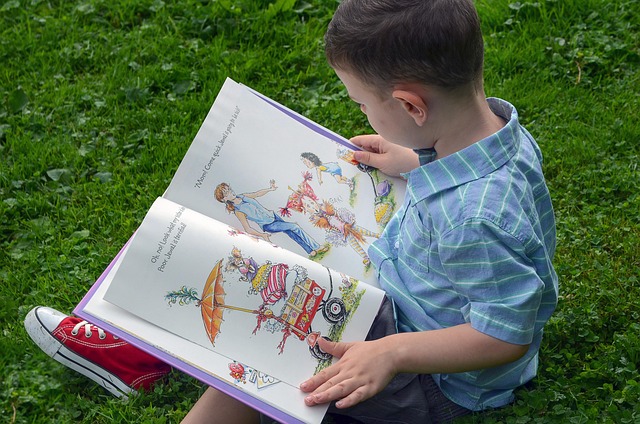
Nature-rich environments offer plenty of inspiration for creative writing. Encourage pupils to write sensory poems or short stories based on what they see, hear, and feel. Reading outdoors also provides a calming setting that enhances engagement and focus.
Science
Outdoor science activities can include weather tracking, plant studies, or wildlife observation. Using simple tools like magnifying glasses or a school weather station, pupils can engage in hands-on learning about ecosystems, forces, and the physical world. For example, students might study a tree over time or explore the physics of flight using paper planes.
Information Technology
Outdoor lessons can be tech friendly too. Pupils can use tablets to take photos of plants or the weather and upload them for reports. Data collected during science or maths lessons can be entered into spreadsheets, making digital skills relevant and purposeful.
Playtime
Free play outdoors encourages children to explore, solve problems, and engage socially. Open spaces provide fewer restrictions, allowing pupils to develop physically and emotionally. It’s a time for discovery, collaboration, and building resilience through imaginative play.
Providing Outdoor Play and Learning All Year Round
Weather doesn’t have to limit outdoor learning. Installing a school canopy, like our Coniston Wall Mounted Canopy, ensures pupils can enjoy outdoor lessons even in rain or snow. For more flexible coverage, our range of freestanding canopies and tensile fabric structures offers year-round protection without losing that essential outdoor connection.
Download our brochure for more canopy ideas and solutions:

Able Canopies Ltd. design, manufacture and install canopies and shade structures
at schools, nurseries and educational settings to enable year-round
Free Flow Outdoor Play and Outdoor Learning.
For more information please contact us
Follow us on our social media accounts for the latest funding advice, new products & latest news:
Twitter | Facebook | Google + | Linked In
Categories
- 20 Years of Able Canopies
- Canopies for Architects & Contractors
- Canopies for Healthcare
- Canopies for Restaurants, Bars and Hotels
- Canopies for Retail & Commercial
- Canopies for Schools
- Canopies for Sports & Leisure
- Canopy Maintenance
- Case Studies
- Cool Links & Facts
- Cycle Parking Solutions
- Dates for Your Diary
- Eco-Friendly Holiday Crafts
- Employee Spotlight
- Environmental Tips
- Funding and Fundraising
- How to... Get the Most out of Your Canopy
- Insights: Able Canopies News
- Latest News
- Latest Stories
- Lockdown Outdoor Learning & Play Ideas
- MD News
- Newsletters - Academies
- Newsletters - Architects & Contractors
- Newsletters - Schools & EYFS
- Outdoor Learning
- Outdoor Play
- Planning Your Cycle Parking
- Product Focus
- Solar Carports
- Spring Fundraisers 2017
- Summer Shade
- The Good Canopy Guide
- Uncategorised
- Wall Mounted Canopies