Insights – October
This month, we’re exploring the people behind the projects, and the idea that great design begins with understanding how spaces are truly used. From sensory gardens to outdoor classrooms, human-centred design continues to shape environments that support comfort, connection, and learning.
Human-Centred Design in the Built Environment
At the heart of every successful space is one simple question: how will people use it?
Human-centred design goes beyond structure and specification; it’s about creating environments that enhance comfort, accessibility, and connection. When designers and suppliers approach a project with the end user in mind, every decision—from layout to lighting to shade—becomes more meaningful.
In education, healthcare, and public environments, each user experiences a space differently. Understanding these unique needs allows designers to create environments that feel inclusive, calming, and purposeful.
A recent example that captures this idea is the Greenvale School project in London, where Able Canopies worked with Equans to design and install a shade sail array for the school’s sensory garden.
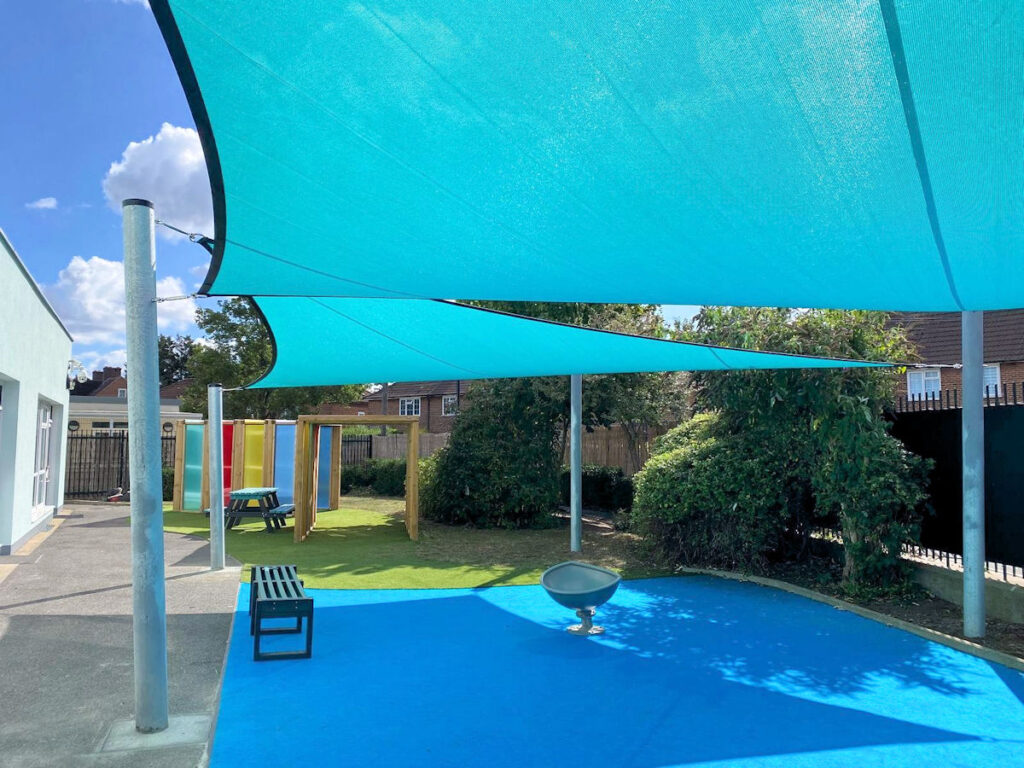
The school caters for SEN pupils, and the outdoor sensory area plays a vital role in supporting their development. The design brief was simple yet profound: create a shaded, soothing space where students could spend time outdoors safely and comfortably.
Through careful consultation and a tailored design approach, the final installation of two aquamarine shade sails delivered exactly that: a visually calming, high-quality area that offers protection from the sun while maintaining the open, engaging feel of the garden.
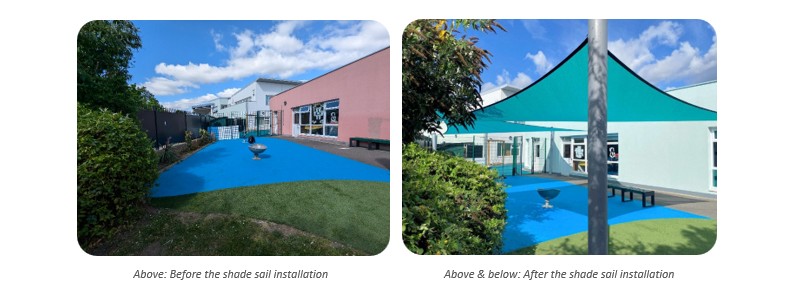
It’s a small but powerful example of human-centred design in action, where every element serves a real purpose and enhances daily life for those who use the space.
When we design with people in mind, we create spaces that do more than meet regulations; they encourage interaction, comfort, and wellbeing. Outdoor and transitional areas are often overlooked in the planning stage, yet they play a vital role in how users experience a space.
By prioritising natural light, fresh air, and shaded rest zones, designers can make outdoor areas just as functional and inclusive as indoor ones. In schools especially, this approach transforms courtyards and walkways into dynamic learning and social environments that support focus, play, and recovery.
Case study : Greenvale School, Shade Sails
Human-centred design doesn’t end at handover. It evolves through feedback, observation, and adaptation, ensuring spaces continue to meet people’s needs long after the installation is complete.
As more schools and public facilities embrace this approach, we’re seeing a shift towards projects that blend functionality with empathy. The result? Built environments that feel as good as they look.
Read more about Greenvale School’s sensory garden project, including installation details and images: Greenvale School, Shade Sails Case Study – Able Canopies
Product Highlight – Shade Sail
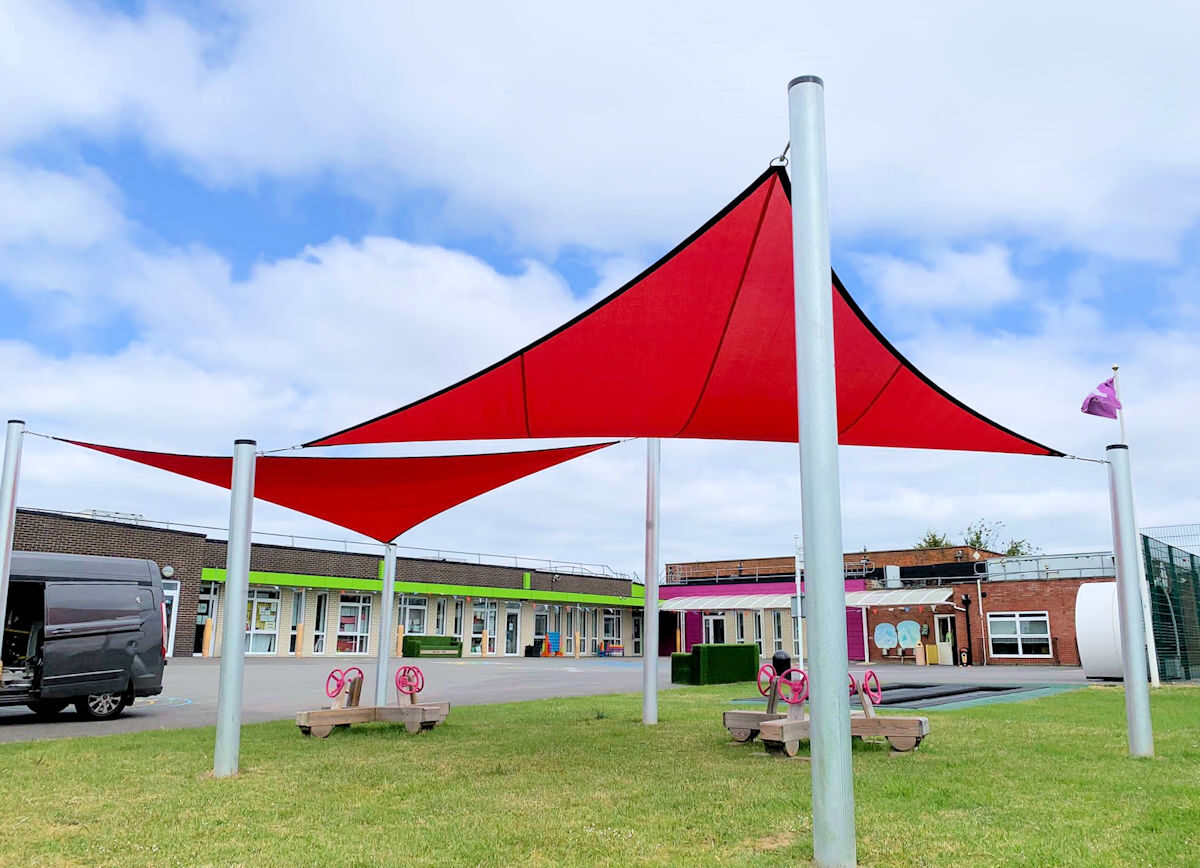
When style and function need to meet seamlessly, Shade Sails offer an elegant solution. Designed to provide effective protection from the sun while enhancing outdoor aesthetics, they’re ideal for courtyards, play areas, and open communal spaces.
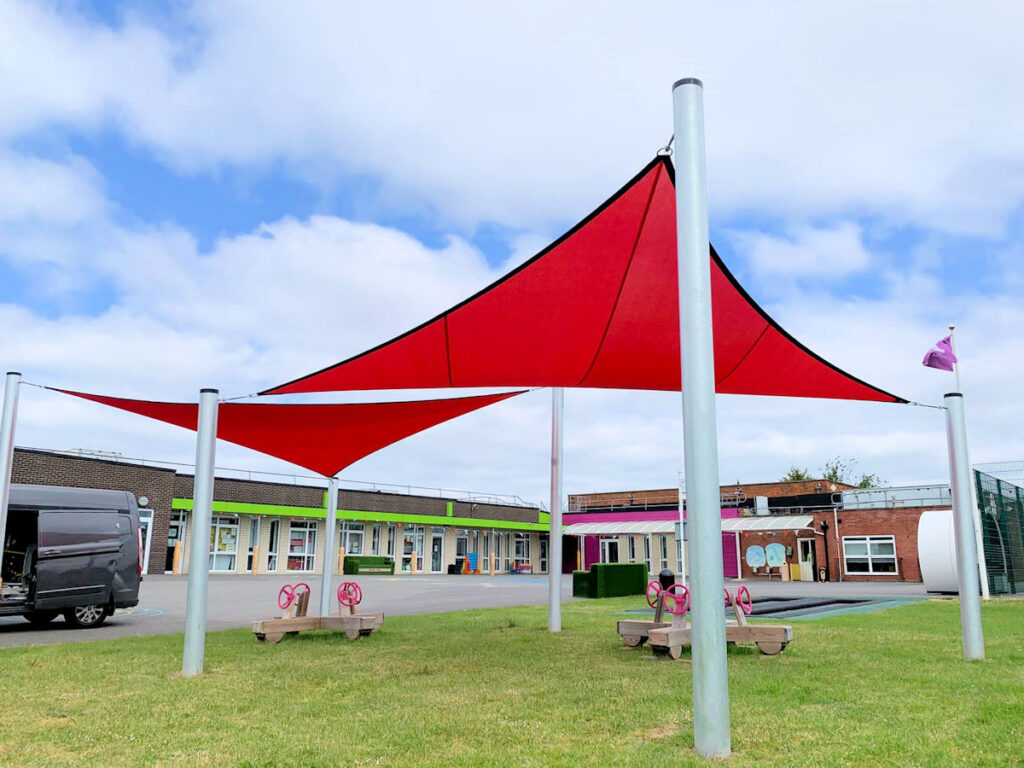
Each installation is tailored to suit its environment, from the layout and post positioning to fabric choice and colour. Available in a wide range of tones, from subtle neutrals to vibrant shades, Shade Sails can be configured to complement any architectural setting.
Constructed from high-tensile, UV-stable fabric and supported by robust steel posts, these canopies deliver both durability and design impact. Perfect for creating comfortable shaded zones where people can gather, relax, or learn outdoors.
Read more about options designed for you: Taking a Closer Look at Shade Sails – Able Canopies
Industry Update – Able Canopies to Attend UKREiiF 2026
We’re excited to announce that Able Canopies will be attending the UK’s Real Estate Investment & Infrastructure Forum (UKREiiF) in May 2026.
The event brings together key stakeholders from across the built environment, from local authorities and investors to developers and suppliers — to explore how innovation and collaboration can shape the future of UK infrastructure.
Our team looks forward to connecting with industry peers, sharing insights, and showcasing how well-designed outdoor structures can enhance modern learning, leisure, and community environments.
Stay tuned for more details as the event approaches

Thank you for reading this month’s edition of Able Canopies Monthly Insights.
As always, our goal is to share ideas that inspire better spaces — designed with people in mind.

Able Canopies Ltd. design, manufacture and install commercial grade canopies, shade sails, awnings and shelters across the UK. We specialise in servicing the education, leisure, healthcare and retail sectors and have extensive experience working with schools, councils, architects and contracting firms.
For more information on our products and services, please contact us
Follow us on our social media accounts for the latest funding advice, new products & latest news:
Twitter | Facebook | LinkedIn | Instagram
Categories
- 20 Years of Able Canopies
- Canopies for Architects & Contractors
- Canopies for Healthcare
- Canopies for Restaurants, Bars and Hotels
- Canopies for Retail & Commercial
- Canopies for Schools
- Canopies for Sports & Leisure
- Canopy Maintenance
- Case Studies
- Cool Links & Facts
- Cycle Parking Solutions
- Dates for Your Diary
- Eco-Friendly Holiday Crafts
- Employee Spotlight
- Environmental Tips
- Funding and Fundraising
- How to... Get the Most out of Your Canopy
- Insights: Able Canopies News
- Latest News
- Latest Stories
- Lockdown Outdoor Learning & Play Ideas
- MD News
- Newsletters - Academies
- Newsletters - Architects & Contractors
- Newsletters - Schools & EYFS
- Outdoor Learning
- Outdoor Play
- Planning Your Cycle Parking
- Product Focus
- Solar Carports
- Spring Fundraisers 2017
- Summer Shade
- The Good Canopy Guide
- Uncategorised
- Wall Mounted Canopies