Specifying Timber Canopies: What Contractors and Architects Need to Know
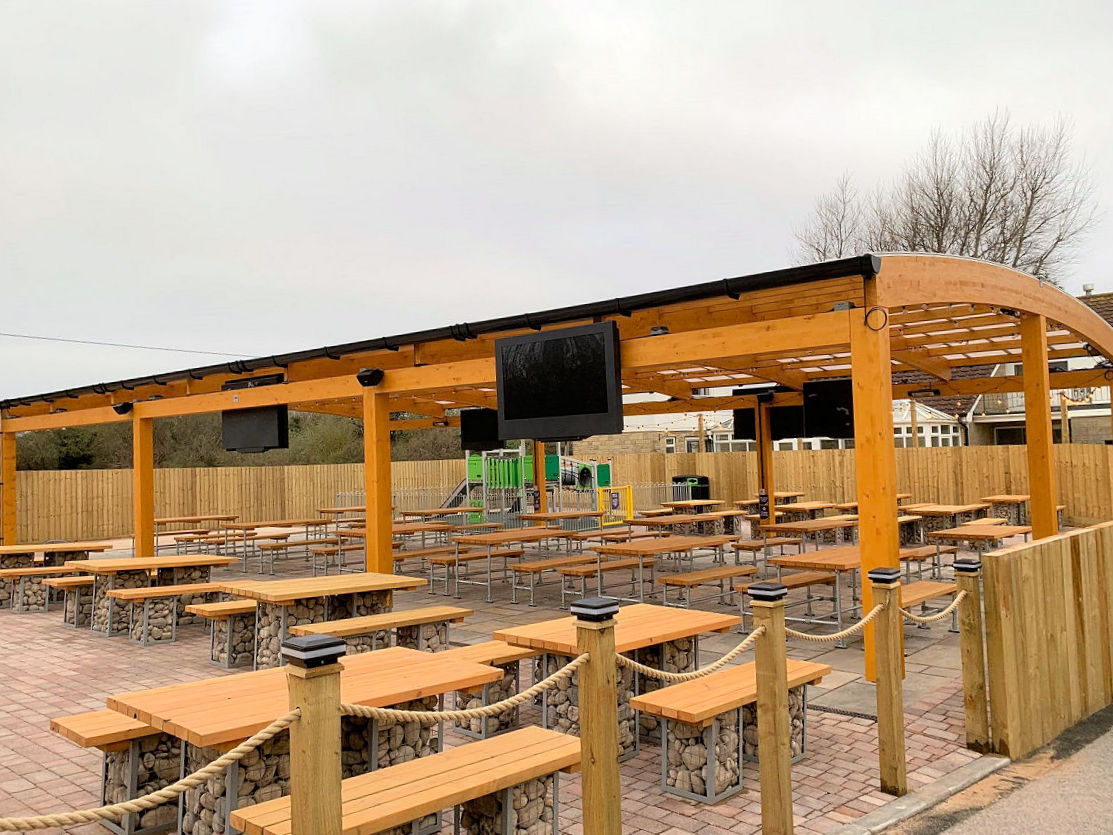
For architects and contractors working within education, healthcare, and commercial environments, timber canopies continue to provide an effective balance between visual appeal, sustainability, and structural performance. As project briefs increasingly prioritise environmentally responsible materials, glulam timber offers a natural and visually warm alternative to steel or aluminium, while still delivering proven durability when correctly specified.
Able Canopies supplies a range of commercial timber canopy and shelter systems, including the Grasmere Timber Clad Cycle Shelter, Tarnhow Dome Freestanding Timber Canopy, and Tarnhow Mono Wall Mounted Timber Canopy. These systems are designed for long-term external use and engineered to align with UK building standards and site-specific requirements.
Key Benefits for Contractors and Architects:
Sustainable Material Selection
Able Canopies’ glulam timber canopies are manufactured using responsibly sourced engineered timber. Glulam timber has lower embodied carbon compared with many metals, making it well suited to projects with sustainability or BREEAM-informed design objectives.
All glulam timber elements are treated to enhance resistance to weathering and decay, supporting durability in external environments when combined with appropriate detailing and maintenance.
Visual Integration with the Built Environment
Timber canopies offer a softer and more natural appearance compared with metal alternatives, allowing them to integrate effectively with both traditional and contemporary architecture. This makes them particularly suitable for:
- Schools and colleges
- Healthcare sites
- Landscaped developments
- Heritage or sensitive planning locations
For architects, this aesthetic flexibility helps maintain design consistency across new and existing structures.
Flexible Design and Specification Options
Able Canopies operates on a bespoke design basis, allowing timber canopy solutions to be tailored to individual site and project requirements. Adjustable elements include:
- Canopy size and layout
- Freestanding or wall-mounted configurations
- Roofing material selection
- Fixing and foundation solutions
This flexibility allows contractors and architects to accommodate site constraints, access limitations, and design intent without compromising structural integrity.
Engineered for Longevity and Performance
Tarnhow timber canopy systems utilise engineered glulam timber, selected for its strength, dimensional stability, and suitability for external structures. When combined with suitable roofing systems, most commonly polycarbonate glazing. These canopies deliver reliable protection from the elements while allowing natural daylight to pass through.
Polycarbonate roofing offers:
- High impact resistance
- Good weather protection
- Reduced structural loading compared to heavier roof materials
When correctly specified, installed, and maintained, this combination delivers consistent long-term performance.
What to Consider Before Specifying a Timber Canopy
To ensure optimal performance and longevity, contractors and architects should consider the following at the specification stage:
- Timber Treatment and Detailing
Timber structures must use appropriately treated timber and correct detailing (including post protection and drainage considerations) to reduce the risk of moisture-related deterioration. - Roofing Performance Expectations
Polycarbonate roofing provides excellent light transmission and weather protection but has different thermal and acoustic properties compared with solid roofing materials. These factors should be considered depending on the intended use of the covered area. - Loading and Compliance Requirements
Wind and snow loading requirements vary by location and canopy configuration. Early engagement with the manufacturer supports accurate design and compliance with relevant standards. - Maintenance Planning
As with all external structures, periodic inspection and maintenance are required to preserve appearance and performance over time.
Benefits for Contractors
From a construction perspective, glulam timber canopies supplied as engineered systems offer practical advantages, including:
- Reduced on-site fabrication
- Clear technical documentation to support installation
- Predictable installation processes
- Reduced risk when coordinated early with groundworks and other trades
Conclusion
Timber canopies remain a cost-effective, visually appealing, and sustainable solution for outdoor cover across education, healthcare, and commercial projects. By understanding material characteristics, performance expectations, and maintenance requirements, contractors and architects can specify timber canopy systems with confidence.
With an established product range and specialist design and specification support, Able Canopies provides timber canopy solutions that balance architectural quality, buildability, and long-term reliability.
Able Canopies Ltd. design, manufacture and install commercial grade canopies, shade sails, awnings and shelters across the UK. We specialise in servicing the education, leisure, healthcare and retail sectors and have extensive experience working with architects and contracting firms on small and large projects.
For more information or to find out how to submit a tender please contact us
Follow us on our social media accounts for the latest funding advice, new products & latest news:
Twitter | Facebook | LinkedIn | Instagram
Categories
- 20 Years of Able Canopies
- Canopies for Architects & Contractors
- Canopies for Healthcare
- Canopies for Restaurants, Bars and Hotels
- Canopies for Retail & Commercial
- Canopies for Schools
- Canopies for Sports & Leisure
- Canopy Maintenance
- Case Studies
- Cool Links & Facts
- Cycle Parking Solutions
- Dates for Your Diary
- Eco-Friendly Holiday Crafts
- Employee Spotlight
- Environmental Tips
- Funding and Fundraising
- How to... Get the Most out of Your Canopy
- Insights: Able Canopies News
- Latest News
- Latest Stories
- Lockdown Outdoor Learning & Play Ideas
- MD News
- Newsletters - Academies
- Newsletters - Architects & Contractors
- Newsletters - Schools & EYFS
- Outdoor Learning
- Outdoor Play
- Planning Your Cycle Parking
- Product Focus
- Solar Carports
- Spring Fundraisers 2017
- Summer Shade
- The Good Canopy Guide
- Uncategorised
- Wall Mounted Canopies